European defence in change – what does it mean for investors now?
In this webinar, DNB provides insight into the development of the European defence sector, one year after the launch of the DNB European Defence fund.
Subtitles: Captioned in the original language and translated into other languages with the help of AI. We accept no liability for any linguistic errors in the translation. Select a language, or turn subtitles on/off, by starting the video and clicking the speech bubble in the bottom right corner.
Together with manager Stian Ueland, host Jorgen J. Mork discusses how geopolitics, budgets, and technological shifts shape investment opportunities – in a market characterized by both strong underlying growth and significant market noise.
One year with the defence fund: Returns and market sentiment
The DNB European Defence fund has now been operational for one year. According to manager Stian Ueland, the period has been characterized by solid interest from investors and returns that have largely kept pace with both the global index and the European index, but with higher volatility.
Stock prices in the sector have largely been driven by short-term sentiment – particularly related to U.S. politics, NATO debates, and geopolitical uncertainty – while the underlying companies have simultaneously delivered strong growth in order intake and earnings. This distinction between fundamental conditions and market pricing is a recurring theme in the webinar.
Shifting investor focus, but intact drivers
Towards the end of 2025 and into 2026, there was significant price development in European defence stocks, before market attention partially shifted to other themes such as energy and artificial intelligence. Ueland points out that this has led to a period of more sideways price movement for several large defence companies, despite increasingly strong order books.
Reporting from companies like Rheinmetall illustrates this: quarterly figures can vary, but expectations for future deliveries and new contracts remain high. The manager emphasizes that such periods often provide a more nuanced entry point for long-term investors.
Defence budgets as a long-term driver
Perhaps the most important structural driver is the persistent increase in global defence budgets. Europe faces a clear strategic crossroads as the U.S. increasingly prioritizes Asia and China.
With around 100,000 American soldiers stationed in Europe, and signals of reduction, a security policy vacuum arises that European countries must fill themselves. This puts pressure on national budgets and supports a long-term investment need in the European defence industry. Ueland describes this as a secular trend that could last for many years.
Technological shifts: from heavy platforms to drones and sensors
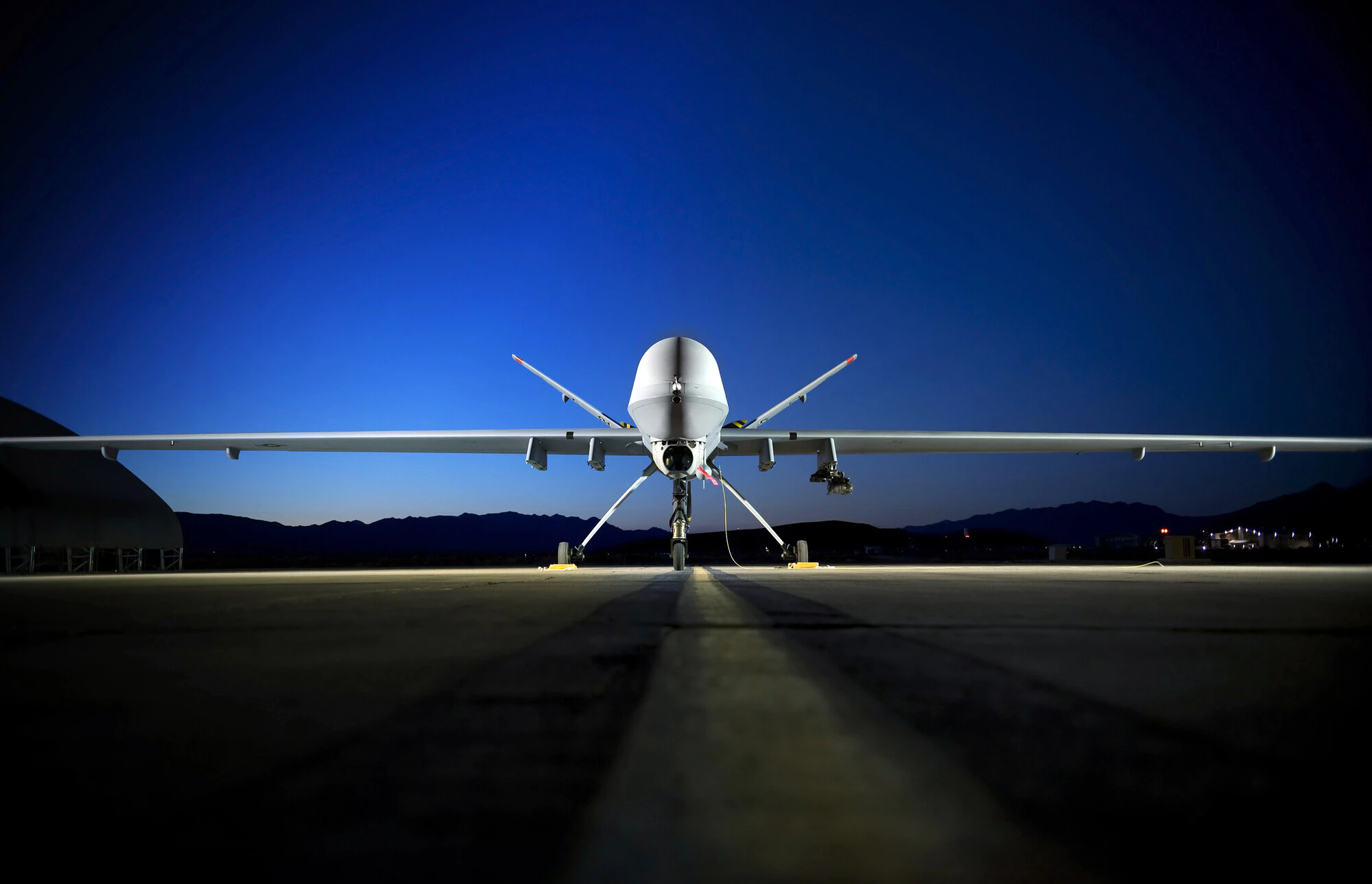
The webinar emphasizes how modern warfare is changing the demand for defence materials. Experiences from Ukraine and the Middle East have clarified the importance of drones, drone defence, electronics, and communication.
At the same time, questions are raised about how significant a role traditional platforms like tanks will have in the long term. Examples such as Estonia's decision to reallocate significant amounts from tanks to drones and drone defence illustrate this shift. The fund has therefore increased exposure to niche players and technology companies, while established players like Kongsberg Gruppen, Rheinmetall, Saab, and Thales continue to play a central role as system integrators and “gatekeepers.”
European autonomy and the capital market's response
Europe still imports about 70 percent of its defence materials from the U.S. – a level Ueland believes is unsustainable over time. The ambition for greater European self-sufficiency creates new opportunities for the continent's defence industry. This is also reflected in the capital markets, with increased IPO activity and strong growth in venture investments aimed at defence technology. Smaller, specialized companies with autonomous systems, sensors, and navigation without GPS are highlighted as examples of areas with significant potential.
In conclusion, it is emphasized that the sector today appears more nuanced in pricing than it did a year ago, while earnings have continued to grow. For investors, this presents a more complex, but also more interesting picture.
For more detailed information, we refer to the webinar.
Fund's information page:
DNB European Defence
Invest in companies that contribute to Europe's security and preparedness.
Sign up for our newsletter
Get invitations to our webinars and podcasts and stay updated on our insights directly in your inbox. We usually send out 1-2 such emails per month.