ESG: Being a responsible investor is no longer limited to excluding sin stocks
The roots of responsible investment date back to the early 1900s. Religious organisations pioneered “faith-consistent investing”, which involved excluding “sin stocks”. Today, responsible investors utilise exclusion amongst a wider range of approaches.

DNB Asset Management has been working with responsible investment (RI) since 1988 and been a signatory to the UNPRI since the year of its launch in 2006, which is considered best practice for responsible investors. However, understanding, practices and actors involved in RI have changed and developed over time.
A 2012 report by Louche, Arenas and Van Cranenburgh[1] have identified the five phases in the development of responsible investing: Roots, development, transition, expansion and mainstream. We have expanded on these below.

The development of responsible investing
RI’s roots date back to the early 1900s. Religious organisations pioneered RI with “faith-consistent investing”, which involved excluding “sin stocks”. Tobacco, gambling, pornography and alcohol were considered unethical and were excluded from their investment universes.
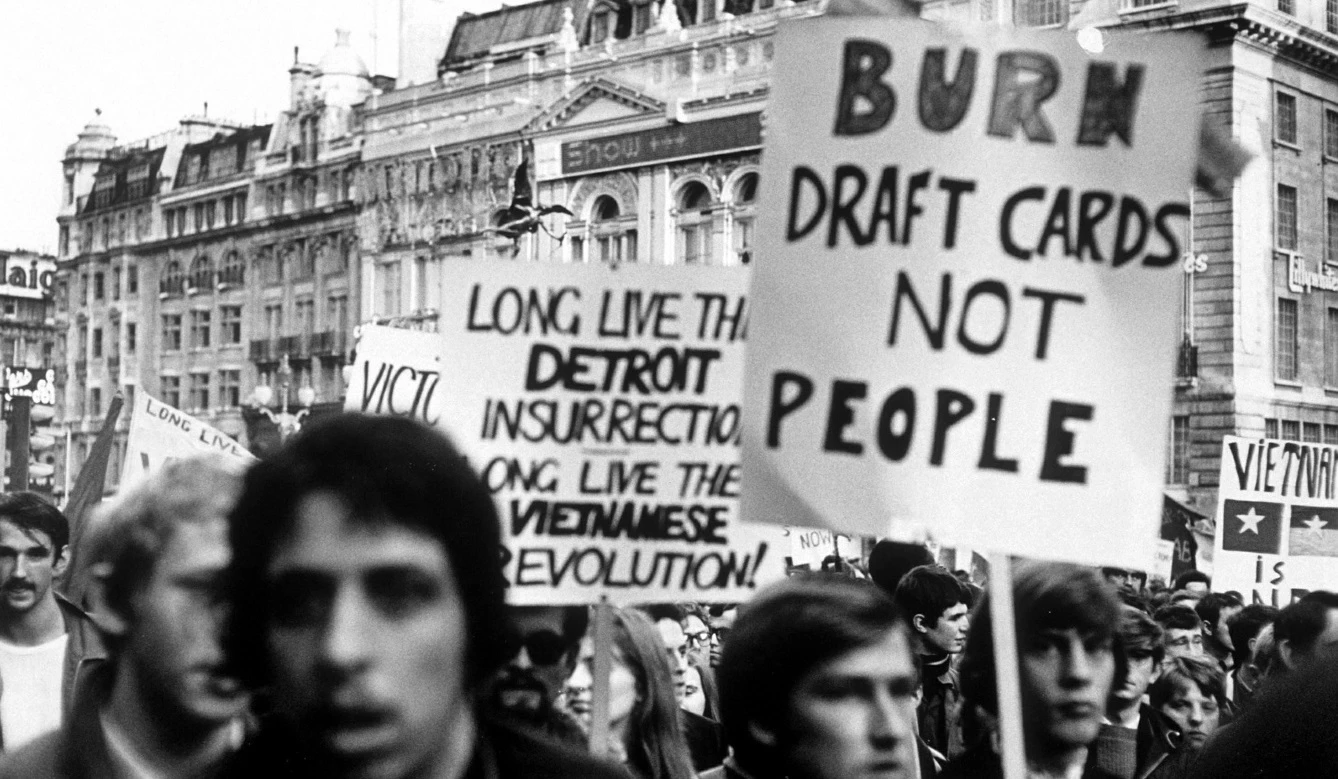
The development phase came in the 1970s to 1980s. During this time, RI transformed from a faith-based activity into one which promoted public awareness of the social responsibility of corporations. At the time, RI was particularly driven by political and protest movements, such as the anti-Vietnam War and anti-apartheid in South Africa. RI also began to take root in Europe.
1990s: Increasing focus on the environment
In the 1990s, responsible investing began a gradual towards a strong focus on environmental concerns. We saw the emergence of green funds in Europe, including our own DNB Renewable Energy, which celebrated its 30 year anniversary in 2019. We also saw growth in the number of social rating agencies and RI indices. Instead of applying only negative screening criteria to exclude sin industries, positive screening criteria were also employed.
